
What Every Ottawa Homeowner Should Check After Severe Weather
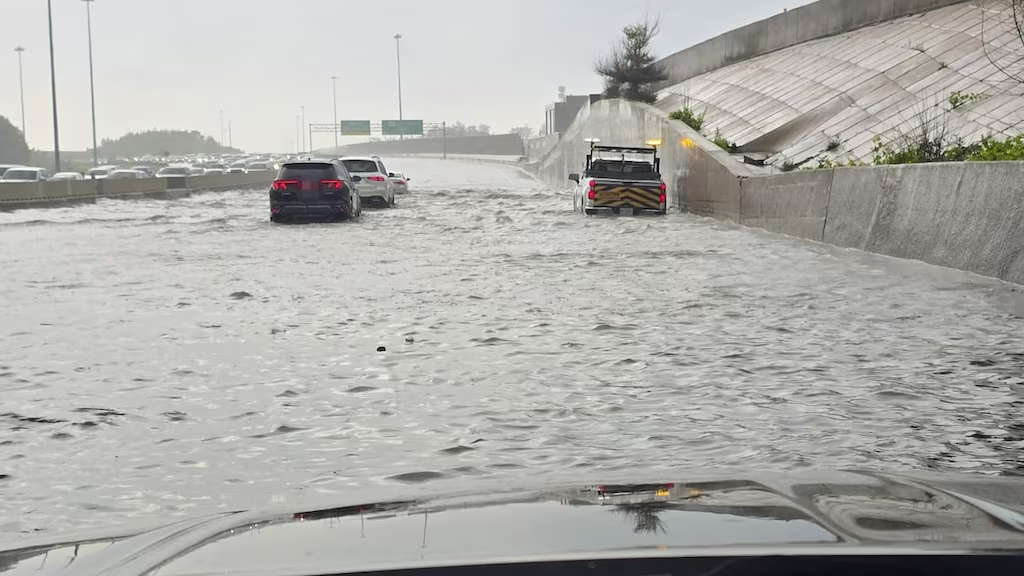
Ottawa and the surrounding region have just come through two days of severe thunderstorms and torrential rain. Environment Canada issued heat and thunderstorm advisories, flooding closed sections of major roads including Highway 417, and downed trees in areas like Vanier led to localized power outages in pockets of the city. Not every neighbourhood lost power, but if yours was one of the areas affected — even briefly — it’s worth taking a closer look at a few things.
If your home came through this stretch of weather, the absence of obvious damage doesn’t mean everything is fine. Water intrusion, roof damage, and electrical issues often show up days or even weeks later — after the drywall has already started to mold or the wiring has already been compromised. As local home inspectors, we put together this post-storm home inspection checklist to help you know exactly what to look at now, and what should prompt a call to a professional.
1. Roof and Exterior 
High winds and heavy rain are hard on roofing systems, even when a roof looks intact from the ground.
- Look for shingles that are missing, cracked, curled, or lifted
- Check flashing around chimneys, skylights, and vents — this is a common leak point
- Look for granules collecting in gutters, a sign of shingle wear from wind-driven rain
- Check for fallen branches or debris that may have struck the roof or siding
If you’re not comfortable getting on a ladder, binoculars from the ground or a quick photo from a second-story window can give you a reasonable first look.
2. Basement and Crawl Space 
- Check for dampness, seepage, or standing water
- Test that your sump pump is running — power outages can leave sump pumps offline exactly when they’re needed most
- Watch for musty odors, which often signal moisture before it’s visible
- Check stored items and flooring near the perimeter walls for signs of wicking moisture
3. Electrical System 
If your neighborhood was one of the areas that lost power, storm-related surges can cause damage that isn’t obvious until something fails later.
- Watch for flickering lights or breakers that trip repeatedly after power is restored
- Inspect outdoor outlets, panels, and meter bases for signs of water intrusion
- If you notice a burning smell or scorch marks anywhere near your panel or outlets, stop and call a licensed electrician immediately
- Keep sensitive electronics unplugged until power has been stable for a while, as reconnection after an outage can bring voltage surges
4. Gutters and Drainage 
Ottawa saw significant rainfall in a short window, and drainage systems that can’t keep up are one of the most common causes of storm-related water damage.
- Check that downspouts are still attached and directing water away from the foundation
- Look for pooling water near the base of the house
- Clear any debris blocking gutters or window wells
- Check that grading around the foundation still slopes away from the house — heavy rain can erode soil over time
5. Yard and Structure 
- Check for trees that are leaning or have exposed roots, which can be a hazard even if they didn’t fall
- Inspect decks, fences, and sheds for wind or water damage
- Look for erosion along driveways, walkways, or garden beds from heavy runoff
When to Call a Professional
Some issues are safe for a homeowner to check on their own. Others need a trained eye — or a licensed Inspector. Call a professional if you notice:
- A sagging ceiling, roofline, or soft spots underfoot
- Active leaks or water stains that are spreading
- Any burning smell or visible scorch marks near electrical equipment
- New foundation cracks following flooding
- Downed power lines near your property — stay away and report these to Hydro Ottawa or 911 immediately
Frequently Asked Questions
How soon should I inspect my home after a storm? As soon as it’s safe to do so — ideally within a few days. Water damage and electrical issues get worse the longer they sit, and some insurance policies require prompt documentation.
Do I need a professional inspection if I didn’t lose power or see obvious damage? It’s still worth a quick check. Roof and drainage issues from wind and heavy rain often aren’t visible from the ground, even when the home looks fine.
What does a post-storm home inspection cover? A typical inspection covers the roof, exterior, gutters and drainage, basement/crawl space, electrical system, and yard/structure — the same areas outlined in this checklist.
Why a Post-Storm Inspection Is Worth It
Storm damage has a way of hiding. A slightly lifted shingle or a hairline foundation crack might not cause a visible problem today, but left unaddressed it can turn into a much larger repair — or complicate an insurance claim down the line, since most policies expect timely documentation of storm-related damage.
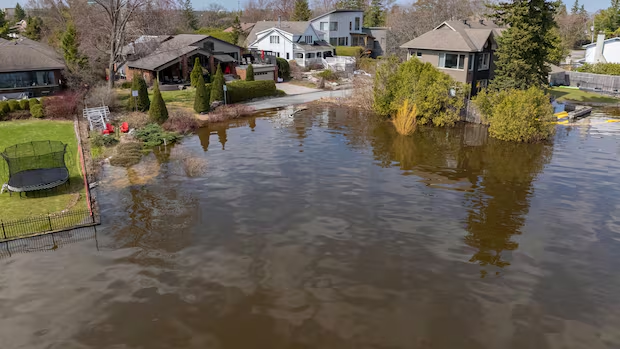
A professional home inspection after severe weather gives you a clear, documented picture of your home’s condition, catches issues while they’re still small, and gives you peace of mind heading into the rest of the season. At TrueBuild Inspect Inc., we bring an Engineering Edge to every visual inspection — founded on a Civil Engineering background, we look past the cosmetic finishes to help you understand why a crack or a damp wall is happening, not just that it’s there.
Think your home may have taken a hit from this week’s storms? Contact Truebuild Inspect to book a post-storm inspection — we’ll give your home a thorough once-over and flag anything that needs attention before it becomes a bigger problem.
Schedule your inspection today: 613-854-4044 or Info@truebuildinspect.ca